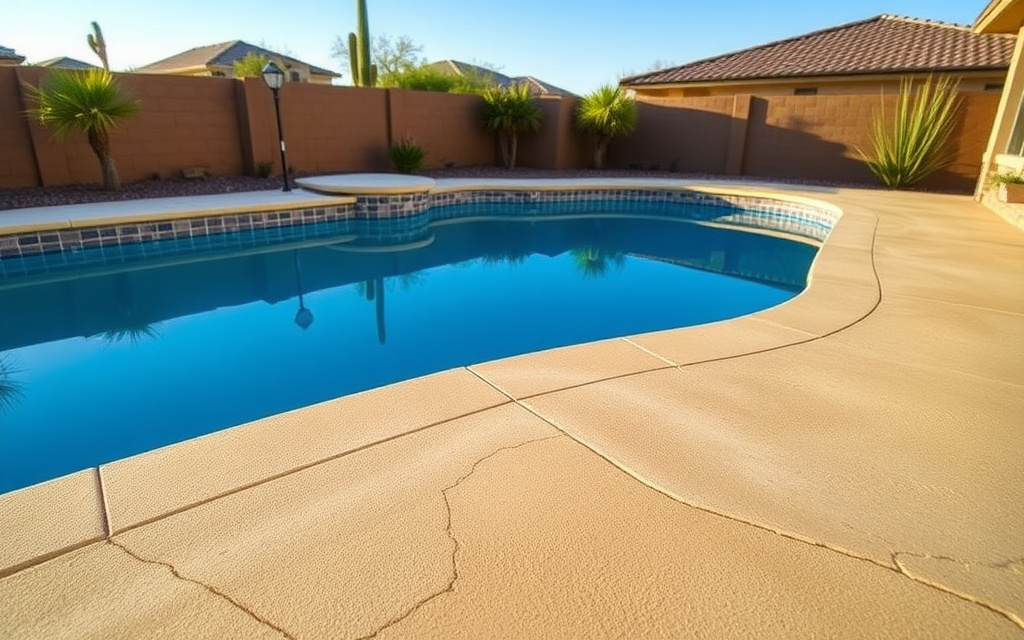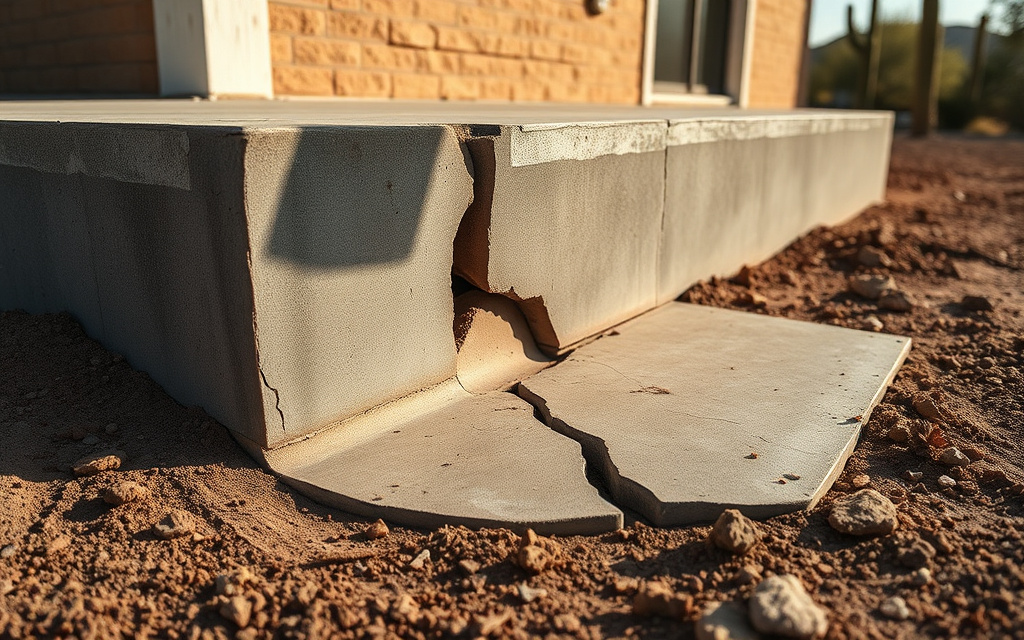
Drive through any established Scottsdale neighborhood and you'll see it: driveways that have dropped near the garage, walkways with lips between panels, pool decks tilting toward the water. Concrete settlement is remarkably common in the Northeast Valley — and it's not because the concrete was poorly made. It's because of what's underneath it. Understanding why concrete sinks here is the first step to fixing it so it stays fixed.
It's a Soil Problem, Not a Concrete Problem
The most important thing to understand is that sunken concrete is almost always a soil issue. The slab itself is usually still sound; it has simply lost the support beneath it and dropped into the void that formed. Fix the concrete without understanding the soil, and you'll be back where you started. That's why local knowledge matters so much for lasting results.
Expansive Clay Soils
Much of the Valley sits on expansive clay — soil that swells when it absorbs water and shrinks when it dries out. Every wet-and-dry cycle moves the ground beneath your slabs. Over months and years, that repeated movement creates gaps and unevenness under the concrete, and the slab settles to follow it. In a climate with a distinct wet monsoon season and long dry stretches, those swell-shrink cycles are pronounced.
Caliche: Arizona's Hidden Layer
Caliche is a hard, cement-like layer of calcium carbonate that's common in Arizona soils, sometimes just below the surface. It doesn't absorb or drain water evenly — it can act almost like a barrier, causing water to collect and move soil above or beside it in unpredictable ways. Caliche makes drainage behavior harder to predict and contributes to the uneven settlement we see under Valley slabs. Contractors unfamiliar with local soils are often surprised by it; we plan around it.
The Monsoon Factor
Arizona's summer monsoon is dramatic: large volumes of water dumped onto hard, dry ground in a very short time. That water has to go somewhere. Where drainage is inadequate — downspouts emptying at a driveway edge, grading that slopes toward the house, low spots that pool — the water washes out or compresses the soil supporting your concrete. This is why so many homeowners first notice a sunken driveway or pool deck in late summer or early fall, right after monsoon season.
Irrigation and Landscaping
Beyond the monsoon, everyday irrigation adds moisture to the soil around your home year-round. Over-watering near slabs, broken irrigation lines, and landscaping that channels water toward concrete all contribute to the soil movement that causes settlement. Tree roots can add to the disruption near walkways and patios.
Poor Original Compaction
Sometimes the problem started before you owned the home. If the soil beneath a slab wasn't properly compacted before the concrete was poured, it settles over the years as it finally consolidates. This is especially common around pools, where the surrounding soil is excavated and backfilled during construction and is inherently looser than undisturbed ground — one reason pool decks settle so often.
How to Stop Concrete From Sinking Again
Because settlement is a soil-and-water problem, lasting repair means addressing both the slab and its cause:
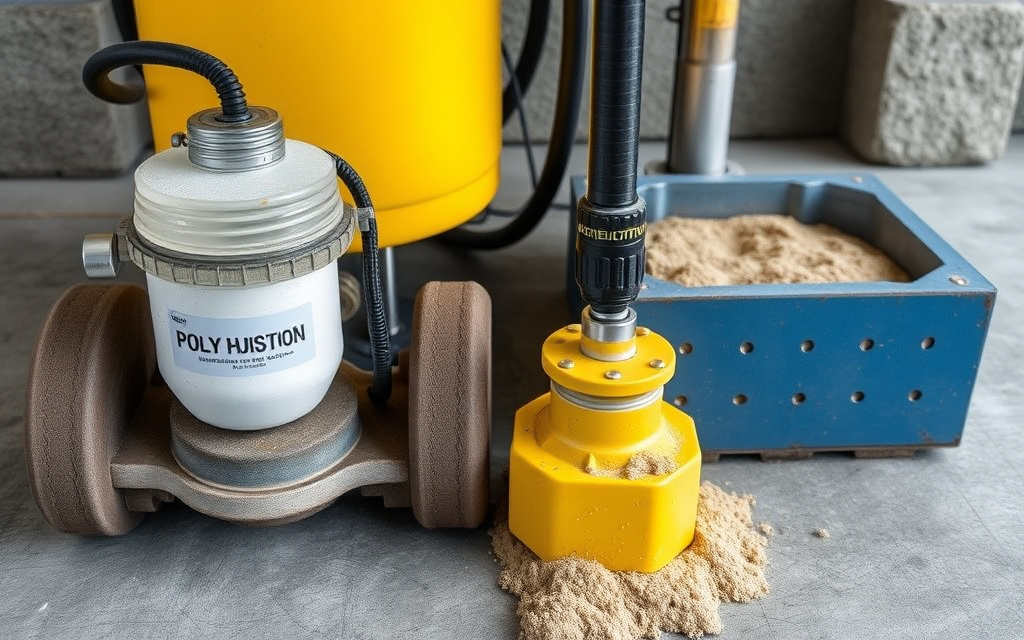
- Lift the slab properly. Polyurethane foam fills the voids and raises the concrete back to level without adding the heavy weight that could push unstable soil down further.
- Fix the drainage. Redirect downspouts away from slabs, correct grading that channels water toward concrete, and repair irrigation issues that over-saturate the soil.
- Seal cracks. Cracks let water down into the soil, accelerating settlement. Sealing them keeps water out.
- Watch for warning signs. Catching a slight dip or a new crack early means a smaller, cheaper fix than waiting until a slab has dropped several inches.
When we level a slab, we don't just lift and leave. We identify the drainage and moisture factors that caused the settlement and advise on correcting them, so the repair holds. That's the difference between a fix that lasts and one that reappears.
The Bottom Line
Concrete sinks in Scottsdale because of the ground it sits on — expansive clay, unpredictable caliche, and the moisture swings of the monsoon and irrigation. It's not a defect in your concrete; it's the nature of building in the Northeast Valley. The good news is that settled concrete can be lifted back to level and, by addressing the drainage that caused it, kept that way.
Noticing a dip, a crack, or a tilt? Request a free estimate or call us — we understand the Valley's soils, and we'll assess both your slab and what's happening underneath it.