A pool is the centerpiece of many Scottsdale backyards — and a settled, cracked pool deck undermines the whole thing. Beyond the eyesore, a sinking deck can cause real damage to the pool itself and create genuine safety hazards. The good news: pool decks are one of the most successful applications of foam leveling, and we can lift yours back to level without draining the pool. Here's what every Scottsdale pool owner should know.
Why Pool Decks Settle So Often
Pool decks are especially prone to settling, and it comes down to how they're built and where they sit. When a pool is installed, the surrounding soil is excavated and then backfilled — which means the ground under and around the deck is inherently less compacted than undisturbed soil. Loose backfill settles over time as it consolidates.
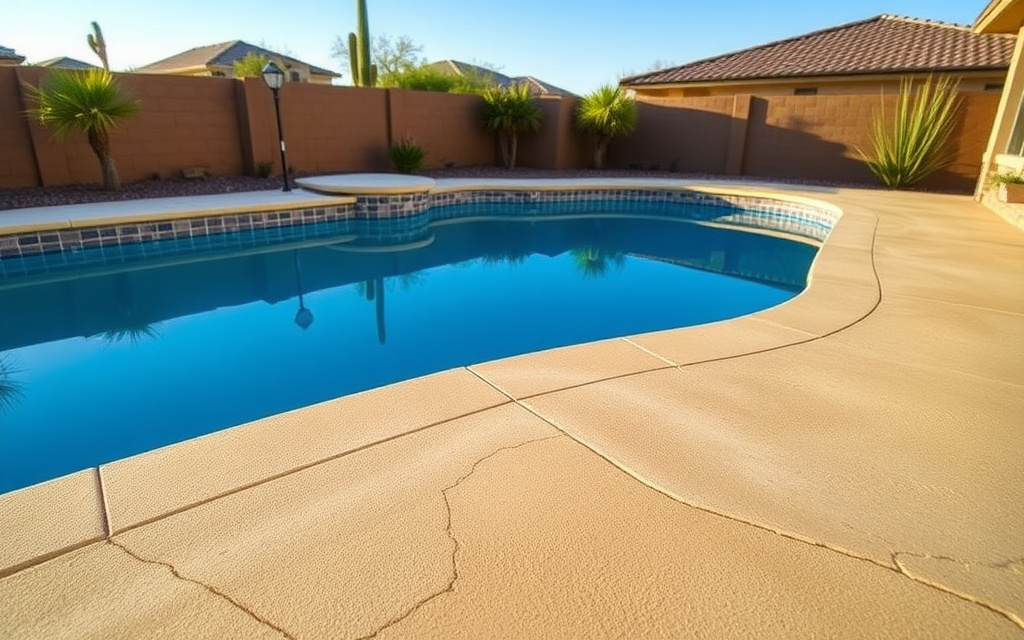
On top of that, the area around a pool is constantly exposed to moisture: splash-out, deck washing, backwash lines, and irrigation for surrounding landscaping. In the Northeast Valley's expansive clay and caliche soils, that constant moisture washes out and moves the loose backfill, leaving voids the deck then drops into. The result is the sunken, tilting pool deck we see on Scottsdale properties all the time — often dropping toward the pool or at the outer edge where water collects.
The Damage a Sinking Deck Can Cause
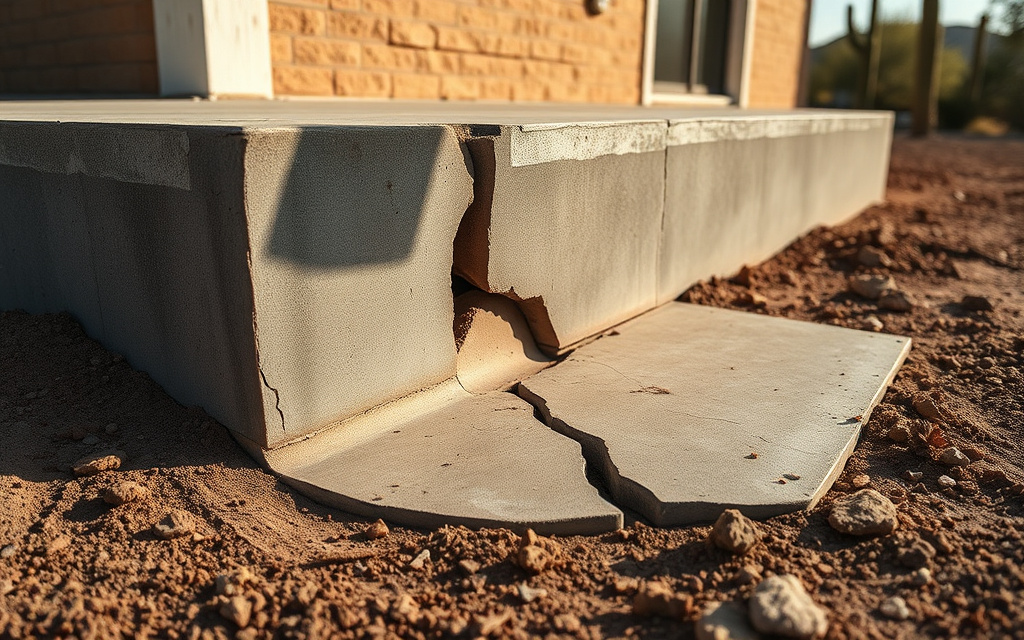
A settled pool deck is more than a cosmetic problem. As the deck drops and tilts, it can:
- Stress the coping and bond beam. The deck pulling down can transfer force to the pool's coping and structure.
- Crack waterline tile. Movement at the deck can crack the tile right at the waterline — an expensive repair.
- Reverse your drainage. A deck that tilts toward the pool sends deck water, dirt, and debris into the pool instead of away from it. A deck tilting toward the house can direct water at your foundation.
- Create trip hazards. Lips form where the settled deck meets coping, pavers, or adjacent slabs — a real hazard around a wet pool area.
Left alone, a settling deck can contribute to damage that costs far more than the deck repair itself. Addressing it early protects the much larger investment of the pool.
How Pool Deck Leveling Works — Without Draining the Pool
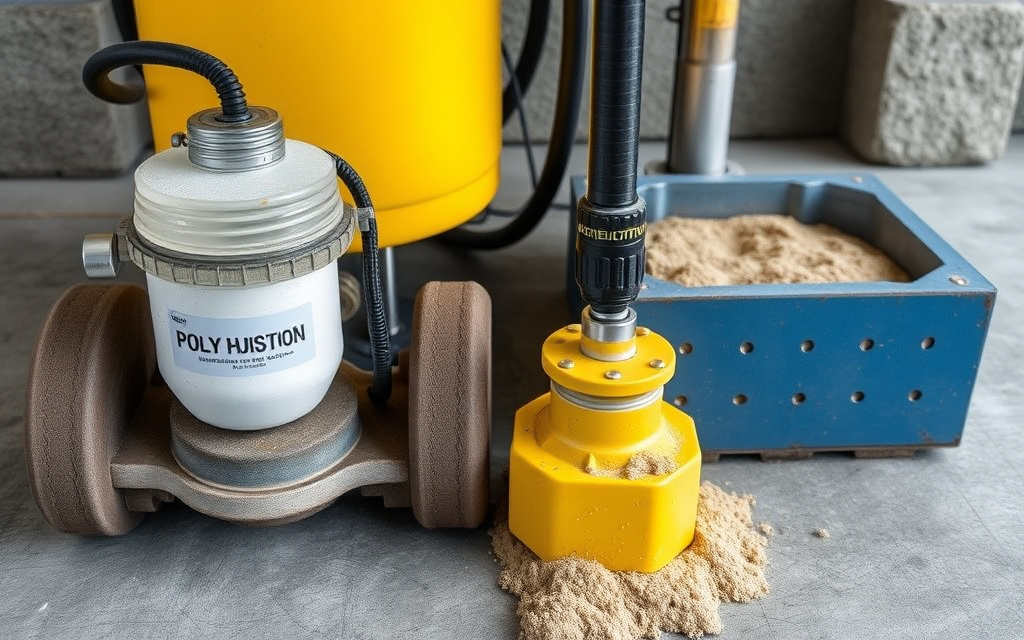
Here's the part pool owners love: we level the deck with the pool full. There's no need to drain it. We inject waterproof polyurethane foam through dime-sized ports in the deck; the foam fills the voids beneath and raises the deck precisely back to level, and it cures in about 15 minutes.
Because the foam is inert and completely waterproof, it's safe to use right around the water — unaffected by pool chemicals, splash-out, or the constantly moist soil. That's exactly why foam, not mudjacking slurry, is the right material for this job: a cement slurry can wash out in that wet environment, while foam stays put permanently.
As we lift the deck, we re-establish proper slope so water drains away from the pool and house the way it should. And we address the drainage or irrigation issues contributing to the settlement, so the deck stays level.
Why This Matters for a Luxury Backyard
In Scottsdale, the pool and deck are often the heart of an outdoor living space designed for entertaining and relaxing against the desert backdrop. A cracked, tilting deck breaks that spell — and signals neglect on a property where everything else is immaculate. Foam leveling restores a flat, safe, beautiful deck while preserving your existing concrete's finish, with only tiny, color-matched patches to show for it. It's the discreet, appearance-conscious fix that premium properties call for.
It's also far more affordable and far less disruptive than replacement, which would mean tearing out the deck around a full pool — a costly, messy, weeks-long project that rarely matches your existing surface.
Signs Your Pool Deck Needs Leveling
Keep an eye out for:
- The deck visibly tilting toward or away from the pool
- Lips or height differences where the deck meets coping or pavers
- Cracks in the deck or in waterline tile
- Water pooling on the deck or running toward the pool after rain
- A hollow sound when you tap certain areas (a sign of voids beneath)
Catching these early means a smaller, simpler fix — and less risk to your pool structure.
The Bottom Line
A settled pool deck is common in Scottsdale, it can threaten your pool investment, and it's very fixable. Waterproof polyurethane foam lifts the deck back to level without draining the pool, protects your coping and tile, restores proper drainage, and preserves your deck's appearance — all in a fraction of the time and cost of replacement.
If your pool deck has started to sink, tilt, or crack, don't wait for it to stress the pool itself. Request a free estimate or call us — we'll assess the deck and show you how foam leveling can restore your backyard.